
Cultural heritage · Malawi
Mount Mulanje Cultural Landscape
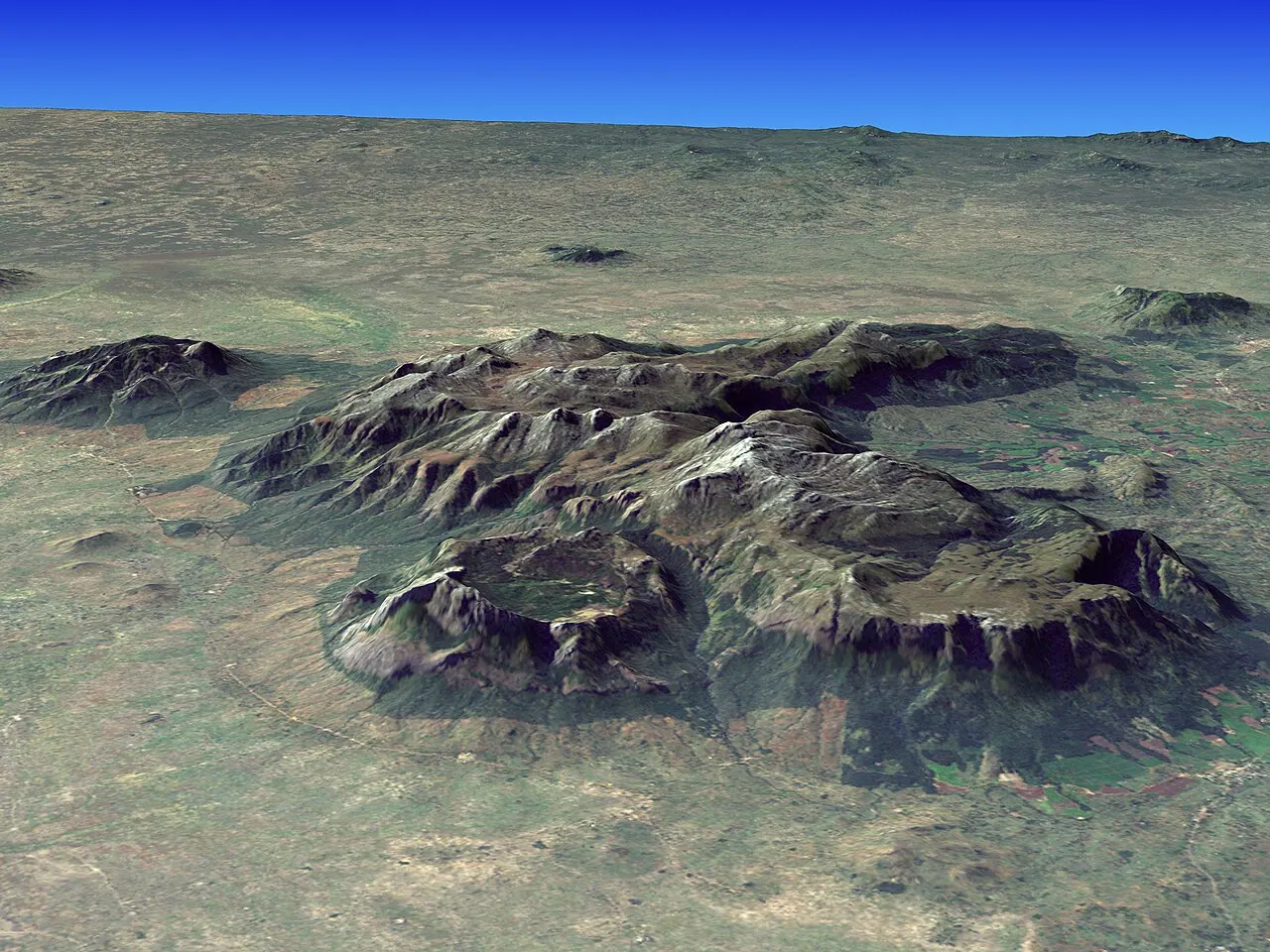
This property encompasses the mountain range located in southern Malawi, with the imposing Mount Mulanje—one of the world’s largest inselbergs—and its surrounding environment. Revered as a sacred place inhabited by gods, spirits, and ancestors, it holds deep cultural and spiritual significance. The mountain’s geological and hydrological features are connected with the belief systems and cultural practices of the Yao, Mang’anja, and Lhomwe peoples. These communities have sustained the mountain’s sacredness through rituals and traditions, making the site a sacred cultural landscape that reflects the spiritual and ecological harmony between people and nature.
Heritage at a glance
- First inscribed
- 2025
- UNESCO region
- Africa
- Selection criteria
- (iii)
- Property area (hectares)
- 89,549.18
Why this place matters
UNESCO’s assessment of its heritage significance, adapted in formatting from the source dataset.
Brief synthesis
Mount Mulanje Cultural Landscape, located in southern Malawi, is an outstanding African example of an associative cultural landscape that has been created and is sustained by the cultural practices and beliefs shared by the Yao, Mang’anja and Lhomwe people, the traditional custodians of the place. It is marked by the imposing Mulanje Mountain, one of the largest inselbergs in the world, which raises above the surrounding plains and villages. The geological and hydrological characteristics of the property, as well as its ecological systems are the key features of this sacred landscape, believed to be imbued with awe-inspiring spiritual powers. The sacredness of the property is sustained by the traditional management system that represents an exceptional value-based model of stewardship centred on African traditional spirituality.
It is defined by codes of conduct, restrictions, and obligations observed by the Yao, Mang’anja and Lhomwe communities, towards access to the sacred space and utilisation of its natural resources. The people safeguard the natural environment of Mount Mulanje, which in turn provides them with food, livelihoods and medicinal plants with healing properties. The property, a resting place for the spirits of generations of people who have found spiritual home in the area, is a potent symbol of Southern and Central African cultural values and belief systems stemming from African cosmologies.
Criterion (iii):
Mount Mulanje Cultural Landscape reflects the spiritual meanings that the local communities attach to their physical environment, which render it a sacred space protected and sustained through living traditions that constitute an exceptional example of a traditional management system anchored in African cosmologies. The system, enforced through traditional custodianship based on the knowledge-practice-belief nexus, has ensured continuous use of the property and preservation of its symbolic and cosmological significance. The system provides codified and regulated protocols that inform the sustainable use and management of natural and cultural resources, sustained by a wider frame of religious beliefs that define the roles and obligations and regulate behaviours of the community members.
Criterion (vi):
The varied natural features within Mount Mulanje Cultural Landscape, such as geomorphological forms, water sources, and biodiversity, as well as natural phenomena affecting the place, embody elements of the spiritual world of the property, inhabited by gods, spirits, and the ancestors. These spiritual associations, which make the property a sacred space, are sustained through the traditional practices of the Yao, Mang’anja and Lhomwe communities. The spiritual power of Mount Mulanje and its surrounding landscape is recognised and renowned beyond the borders of Malawi, as a place that gives life and provides healing. The cultural understanding of this place and the relationship of the people to the mountain are shaped by the close interaction of traditional beliefs with the physical environment and natural phenomena.
The mountain and the beliefs about it are inseparable, making the cultural landscape a repository of the intangible cultural heritage of local communities.
Integrity
The integrity of the property is based on the wholeness and intactness of the Mulanje sacred cultural landscape to which spiritual and natural values are attached by the local communities and these are enforced through traditional management systems. The property includes the mountain range of Mulanje and Michesi, as well as the surrounding area, which is deemed to have spiritual powers and is inhabited by ancestral spirits and gods. The intangible cultural heritage in the form of cultural practices related to local beliefs finds its locus in the associated tangible elements of the natural environment of the area, such as the geological formations (caves, ravines, hills), hydrological system (water ponds, rivers) and elements of the ecosystem (biodiversity) to which cultural values are attached or which embody these values, as well as places where cultural practices are taking place. Gradual encroachment on the area, introduction of commercial plantations, and the related deforestation led to the reduction in size of the forest cover, and the transformation of the landscape and its ecosystems, making the property vulnerable.
The tea estates, part of a broader historical context of the property, have also contributed negatively over the years to the degradation of part of the indigenous flora within Mount Mulanje Cultural Landscape. Today, the integrity of the property is threatened by numerous factors, the most serious ones being the danger of mining activities and tourism infrastructure development. Tourism development within the property and its surroundings should be restricted to minimal-impact projects and activities, while extractive industries should be prohibited from the area of the property and its surroundings. The beliefs and practices of the local communities that sustain the sacred nature of the property are fragile due to the introduction of other religions and modern lifestyle.
The development of an inventory of sites and natural features to which cultural meanings are attached, and the implementation of a comprehensive monitoring system encompassing all the attributes of the Outstanding Universal Value, including cultural and spiritual practices, should be undertaken.
Authenticity
The authenticity of the property is based on the use and function, traditions and traditional management systems, as well as forms of intangible heritage that sustains the associative cultural landscape. Traditional knowledge is passed down through generations, preserved through observances or oral tradition and not formally documented in written form. Some cultural practices include rituals and ceremonies that may be private or taboo and relate to the sacredness that exists outside the physical realm. Moreover, African traditional religions tend to evolve, the practitioners adapting the elements as required.
The lack of proper documentation and clear understanding of why certain practices related to the traditional management system in Mount Mulanje Cultural Landscape have been abandoned while others maintained, makes the impact of change on the property uncertain. Notwithstanding the changes, the attitude of the communities to the sacredness of this associative cultural landscape remains unchanged. Research to track the evolution of the cultural practices that sustain the associative cultural landscape, and to inform the development of an appropriate conservation programme, is to be continued.
Protection and management requirements
The regulatory framework for protecting the property is based on national laws and the traditional management system. The current statutory legal framework refers mostly to the area of the Mount Mulanje Forest Reserve (MMFR), established in 1927. It is governed through the Forestry Act of 1997 (amendment of 2019) and the National Forest Policy of 1996 (under review), and ensures conservation and sustainable use of forest resources and protection of the water catchment function of the Reserve. Supporting legislation includes the Environmental Management Act of 2017 (which includes Heritage Impact Assessment), Land Act of 2022, and National Parks and Wildlife Act of 2015.
Recognising customary rights, the legal framework also allows for community-based natural resources management. The Department of Forestry under the Ministry of Natural Resources and Climate Change is responsible for the implementation of the legal framework in relation to the natural environment of the property. In managing the MMFR, the Department collaborates with the Mount Mulanje Conservation Trust, an independent, non-governmental endowment trust, governed by representatives of the government sectors, local traditional leadership, businesses, and civil society. At the district level, environmental management is implemented and overseen by Mulanje and Phalombe District Councils with authorisation from the Department of Forestry.
The district offices work in conjunction with community conservation groups that are based at the traditional authority area level. The protection of cultural heritage resources within the property is the responsibility of the Department of Museums and Monuments in the Ministry of Local Government, Unity and Culture, under the provisions of the Monuments and Relics Act of 1990, the Museums Act of 1989, and the Local Government Act of 2010, which empowers local communities to undertake measures to protect their cultural heritage. There is no intangible heritage legislation at the national level. The traditional management system of the local communities fills the gap in protection where statutory mechanisms do not exist to protect the sacred sites within the landscape.
The local Chiefs who operate under the framework of the National Cultural Policy lead their village communities in recognising the significance of the traditional knowledge and actively transmitting it. The spirit mediums or traditional healers who serve as connection between the communities and the spiritual world form the Malawi Traditional Healers Umbrella Organisation at the national level. The land within the MMFR is owned and managed by the State. The land surrounding it is divided between private and community ownership.
While there are some agreements in place between the different stakeholders, the modalities of cooperation, in particular towards the cultural values of the property, are not yet well established. The integration of the customary and formal legal systems should be completed, as well as the declaration process of the property as a national monument. There are two separate management plans: the MMFR Integrated Conservation Management Plan (2020-2030) for the conservation of biodiversity, and the Cultural Heritage Resources Management Plan (2024-2028) for the management of cultural resources. An Integrated Resources Management Plan is to be prepared.