
Cultural heritage · Serbia
Medieval Monuments in Kosovo
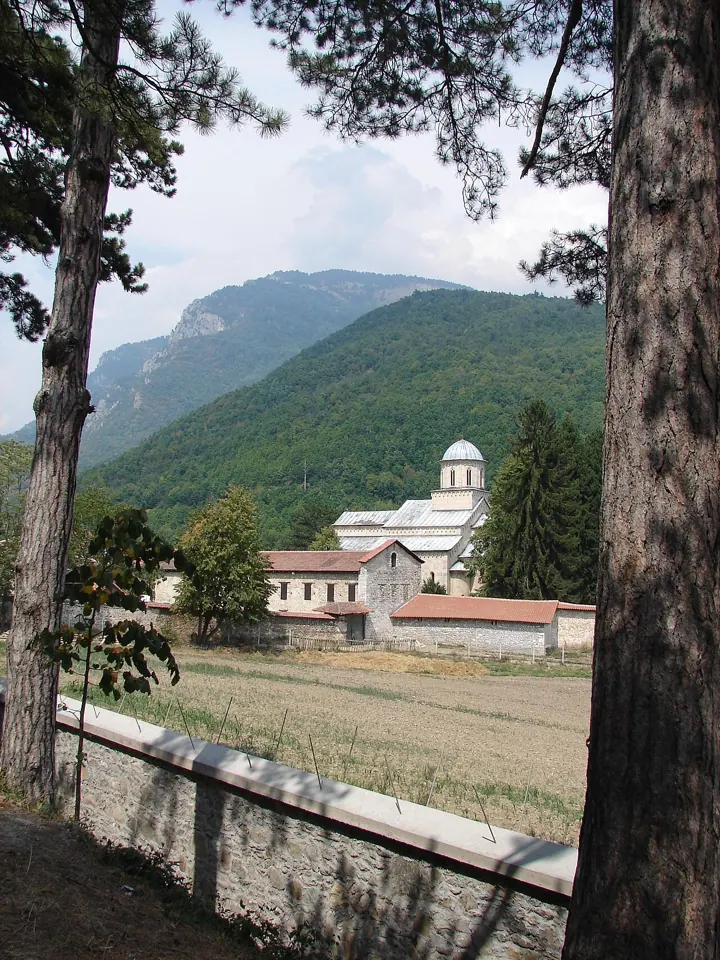
The four edifices of the site reflect the high points of the Byzantine-Romanesque ecclesiastical culture, with its distinct style of wall painting, which developed in the Balkans between the 13th and 17th centuries. The Dečani Monastery was built in the mid-14th century for the Serbian king Stefan Dečanski and is also his mausoleum. The Patriarchate of Peć Monastery is a group of four domed churches featuring series of wall paintings. The 13th-century frescoes of the Church of Holy Apostles are painted in a unique, monumental style. Early 14th-century frescoes in the church of the Holy Virgin of Ljevisa represent the appearance of the new so-called Palaiologian Renaissance style, combining the influences of the eastern Orthodox Byzantine and the Western Romanesque traditions. The style played a decisive role in subsequent Balkan art.
Heritage at a glance
- First inscribed
- 2004
- UNESCO region
- Europe and North America
- Selection criteria
- (ii)(iii)(iv)
- Property area (hectares)
- 2.88
The imported UNESCO record marks this property as World Heritage in Danger.
Places within this listing
This is a serial property with 4 components in the imported record.
View the component places
- Dečani Monastery (724-001)
- Gračanica Monastery (724-004bis)
- Patriarchate of Peć Monastery (724-002bis)
- Church of the Virgin of Leviša (724-003bis)